Trying to choose between a condo, townhome, or house in Costa Mesa? You are not alone. In a market where prices are high and options can look similar on the surface, the right choice often comes down to how you want to live, what you want to spend each month, and how much responsibility you want to take on. This guide will help you compare the tradeoffs clearly so you can make a more confident decision in Costa Mesa. Let’s dive in.
Why this choice matters in Costa Mesa
Costa Mesa is a competitive market, and the price gap between property types is meaningful. Recent market data shows a median sale price of about $1.415 million citywide, with homes averaging about two offers and roughly 32 days on market. That means your decision is not just about lifestyle. It is also about strategy, timing, and total cost.
Attached housing is also a normal part of the ownership market here. Costa Mesa’s community profile estimates the city is 50.3% multi-family housing, 37.7% single-family detached, and 9.6% single-family attached. In other words, condos and townhomes are not fringe options in Costa Mesa. They are a major part of how people buy into the city.
What each property type really means
Condo basics
A condo is an individually owned unit within a larger project. You own your unit, but you also share ownership of common areas and exterior elements with other owners through the homeowners association.
That usually means monthly HOA dues are part of the deal. Those dues often cover exterior repairs, common-area maintenance, and sometimes water, sewer, trash, amenities, and reserve contributions. For many buyers, the appeal is simpler upkeep and more predictable maintenance responsibilities.
Townhome basics
A townhome sounds straightforward, but in California it is more complicated than many buyers expect. The term describes an architectural style, usually a multi-story attached home arranged side-by-side rather than stacked, but it is not a legal ownership category by itself.
That means one townhome may legally function like a condo, while another may be part of a planned development. Before you buy, you need to review the CC&Rs and title documents to confirm who is responsible for the roof, siding, patios, and other exterior components.
House basics
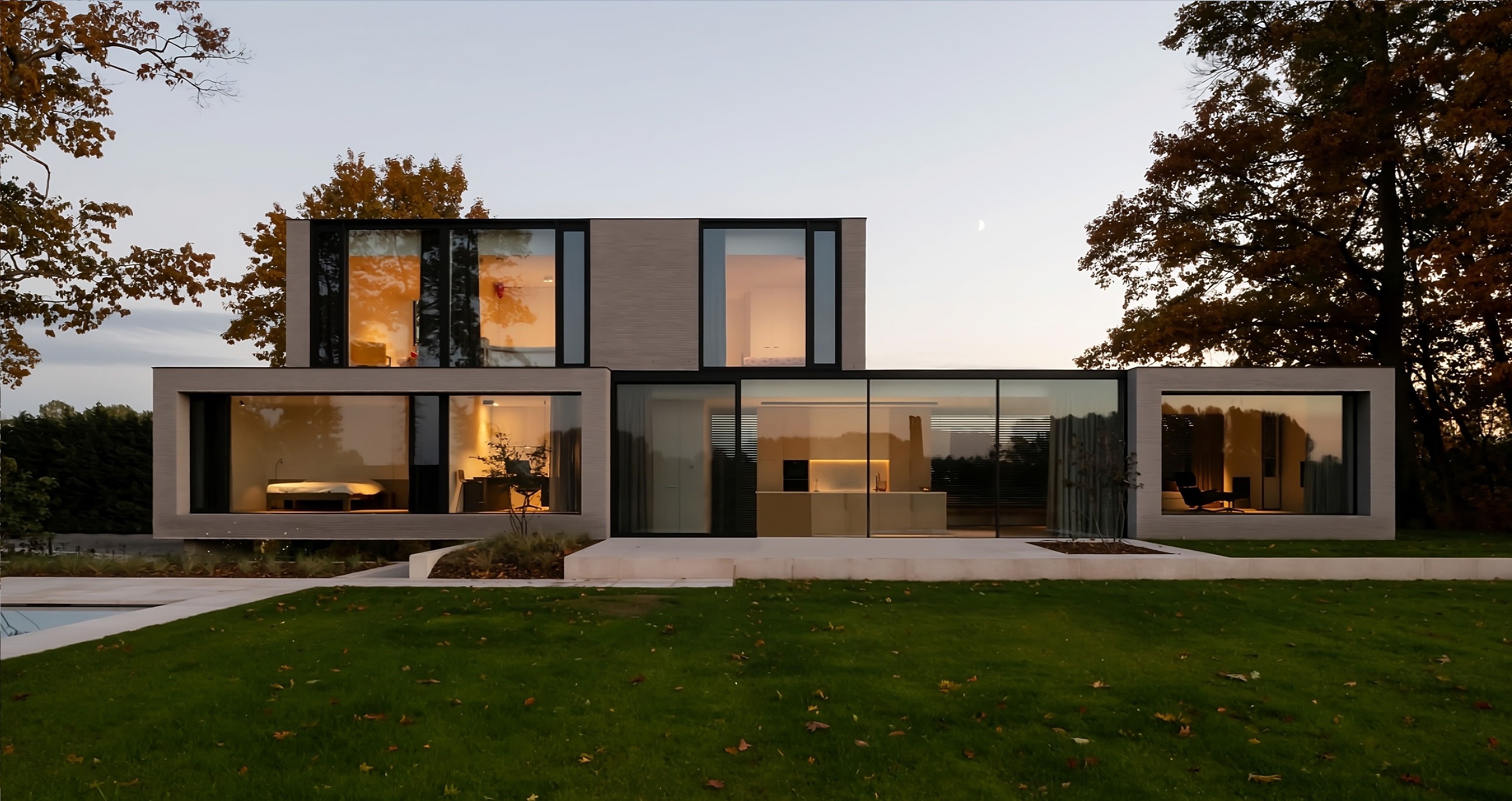
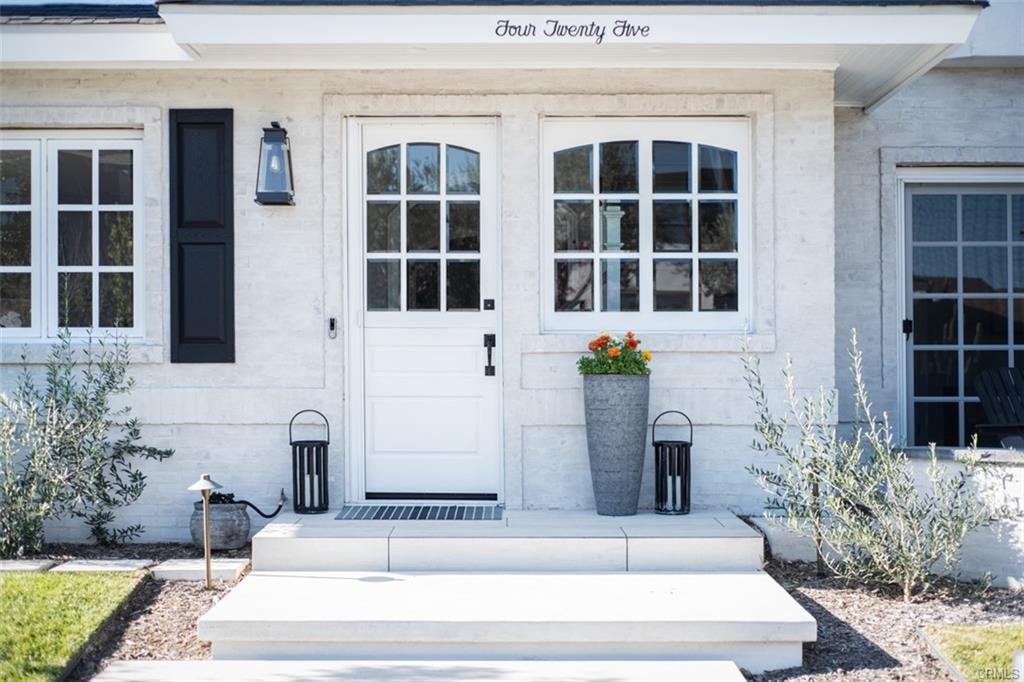
A detached house usually gives you the most control and the least shared-wall living. It is often the best fit if you want more privacy, more direct say over maintenance decisions, and fewer limits tied to common property.
Still, in Costa Mesa, you should not assume a detached house has no HOA. Some detached homes are part of planned developments with common areas, private streets, or shared amenities, which means an HOA may still exist and dues may still apply.
Compare the lifestyle tradeoffs
Condo: lowest-maintenance ownership
A condo is often the simplest path if you want ownership with fewer day-to-day exterior responsibilities. If you travel often, prefer less upkeep, or want amenities managed for you, this can be a strong fit.
This option can also make sense if your top goal is getting into Costa Mesa with a lower entry price than many detached homes. Current citywide median listing prices show condos around $949,000, which is lower than many other ownership options in the city.
Townhome: middle-ground flexibility
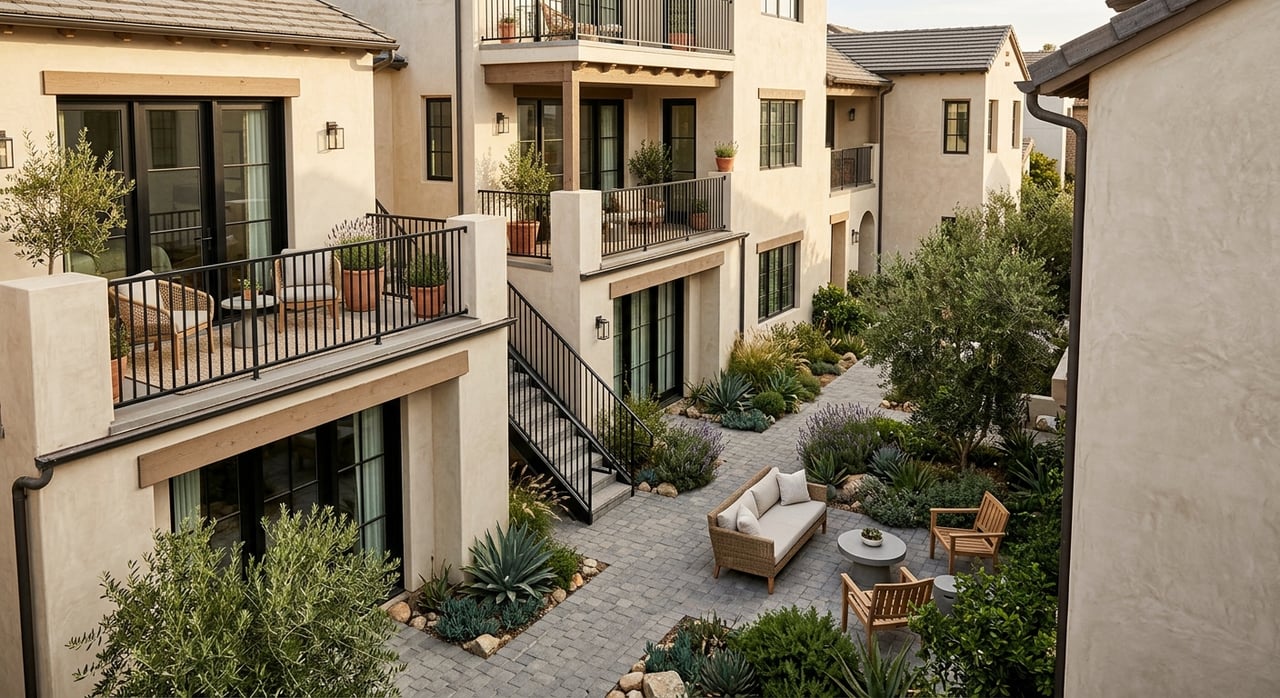
A townhome often sits in the middle. You may get more space, a more house-like layout, and less shared-wall living than a typical condo, while still avoiding some of the maintenance burden that comes with a detached home.
That said, townhomes vary a lot. In Costa Mesa, the label alone does not tell you enough. The legal structure, HOA responsibilities, and fee structure matter just as much as the floor plan.
House: most control, most upkeep
A house is usually the best match if you want the greatest control over your property and can comfortably handle the highest maintenance burden. You are less likely to share walls, and you often have more flexibility in how you use and maintain the property.
The tradeoff is cost and responsibility. Detached homes often come with a higher purchase price, more direct repair obligations, and less HOA-managed support for ongoing upkeep.
Look at total monthly cost, not just price
One of the biggest mistakes buyers make is comparing only list prices. Your real monthly cost typically includes principal and interest, property taxes, insurance, and possibly HOA dues.
That matters a lot in Costa Mesa because two homes with similar asking prices can have very different monthly carrying costs. A lower-priced condo with substantial HOA dues may not feel as different from a higher-priced house as the sticker price suggests.
HOA dues can change the math
HOA fees vary widely depending on the project, location, condition, age, value, and amenities. In one community, dues may mostly cover basic exterior maintenance. In another, they may also support amenities, utilities, and larger reserve contributions.
This is why a condo or townhome should never be judged on purchase price alone. You want to know what the fee includes, whether reserves are healthy, and whether special assessments are possible.
Property taxes may be higher than expected
In Orange County, property taxes are based on taxable value and include the 1% basic levy plus any bonded indebtedness, special assessments, or Mello-Roos. Buyers should also know that supplemental assessments are typically billed after closing and are usually not collected in escrow.
That can create a first-year cash surprise if you are not prepared for it. When you compare a condo, townhome, and house, build that tax reality into your budget early.
HOA documents matter more than many buyers think
If you are buying a condo or townhome, the HOA documents are not just paperwork. They help explain what you are really buying and what financial obligations may come with it.
California guidance says HOA boards should review reserves annually and complete a physical analysis at least every three years. Reserve budgets are intended to fund major shared components like roofing, paving, lighting, pools, carpet, furniture, and other common assets.
What to review before closing
Ask for and review these items before you commit:
- HOA budget
- Reserve funding status
- Any current or planned special assessments
- What the monthly fee includes
- Parking rules
- Master insurance coverage
- Rules on property modifications
These details can affect both affordability and day-to-day convenience. They can also help you avoid buying into a project with hidden near-term costs.
Insurance is different for each option
Insurance is another area where condos, townhomes, and houses can differ in important ways. For condos, your unit-owner policy generally covers your interior property, liability, loss of use, and interior improvements you are responsible for maintaining.
The HOA generally covers the building structure and common areas. California’s Department of Insurance also notes that earthquake coverage may need to be purchased separately, and loss-assessment coverage can be important for condo owners.
With a detached house, you are generally taking on more direct insurance responsibility for the structure itself. With townhomes, the answer depends on the legal setup and governing documents, which is another reason to verify the ownership structure early.
Financing can be more involved for condos
With a detached house, financing usually centers on the property and your qualifications. With condos and some townhome projects, lenders may also review the project itself.
That can include the project’s financial stability, litigation, and how control over common elements is structured. In practice, this means the building or community documents can matter almost as much as the individual unit when you are buying attached housing.
How local Costa Mesa examples fit real priorities
South Coast Metro for convenience
If you want a more convenience-oriented lifestyle, South Coast Metro is one area worth comparing closely. Costa Mesa describes this area through major destinations like South Coast Plaza, Segerstrom Center for the Arts, and South Coast Repertory.
For buyers who want less exterior maintenance and a more amenity-driven ownership experience, condo communities near this core may be a natural place to start.
Eastside for a middle-ground option
Eastside helps show why townhomes can be a useful middle-ground choice. Recent market data shows Eastside townhouses around a $1.31 million median, while Eastside homes overall are around a $2.3 million median sale price.
That spread suggests attached housing can be a practical way to buy into Eastside without reaching the detached-home price tier at the top of the neighborhood range.
Mesa Verde for detached-home comparison
Mesa Verde gives buyers a clear benchmark for the detached-home side of the conversation. Recent market data places the neighborhood around a $2.1 million median sale price.
For many buyers, that price point reflects the premium for more space, more direct control, and a greater willingness to manage upkeep without relying as heavily on an HOA.
A simple way to decide
If you want the most HOA-managed, lower-maintenance form of ownership, a condo may be the best fit. If you want a middle-ground option with a more house-like feel, a townhome may be worth a closer look, but you need to verify the legal structure. If you want the most control and can absorb the highest maintenance burden, a detached house may be the right move.
In Costa Mesa, the smartest choice is usually the one that balances lifestyle, monthly cost, and responsibility. When those three line up, you are much more likely to feel good about your decision long after closing.
Whether you are buying your first place, moving up, or weighing long-term wealth goals, having clear guidance on property type, HOA documents, and true monthly cost can protect your outcome. If you want help comparing options in Costa Mesa with a strategy that matches your budget and priorities, connect with Jade Larney Real Estate.
FAQs
What is the difference between a condo and a townhome in Costa Mesa?
- A condo is a legal ownership structure where you own your unit and share ownership of common areas, while a townhome is usually an architectural style and may legally be a condo or part of a planned development.
Can a detached house in Costa Mesa have HOA dues?
- Yes. Some detached homes are in planned developments where the HOA maintains common areas, private streets, or shared amenities.
Are townhomes always cheaper than houses in Costa Mesa?
- No. Townhomes are often less expensive than detached homes, but not always by a large margin. In some Costa Mesa areas, townhome pricing can overlap with house pricing, and HOA dues can narrow the monthly cost gap.
What should condo buyers review before closing in Costa Mesa?
- You should review the HOA budget, reserve funding, any special assessments, what dues include, parking rules, master insurance coverage, and rules on modifications.
Why is total monthly payment more important than list price in Costa Mesa?
- Because your monthly cost may include mortgage principal and interest, property taxes, insurance, HOA dues, and possible supplemental tax bills after closing, which can significantly change affordability.
Which property type is best for lower maintenance in Costa Mesa?
- In general, condos offer the most HOA-managed, lower-maintenance ownership, townhomes offer a middle ground, and detached houses usually require the most hands-on upkeep.