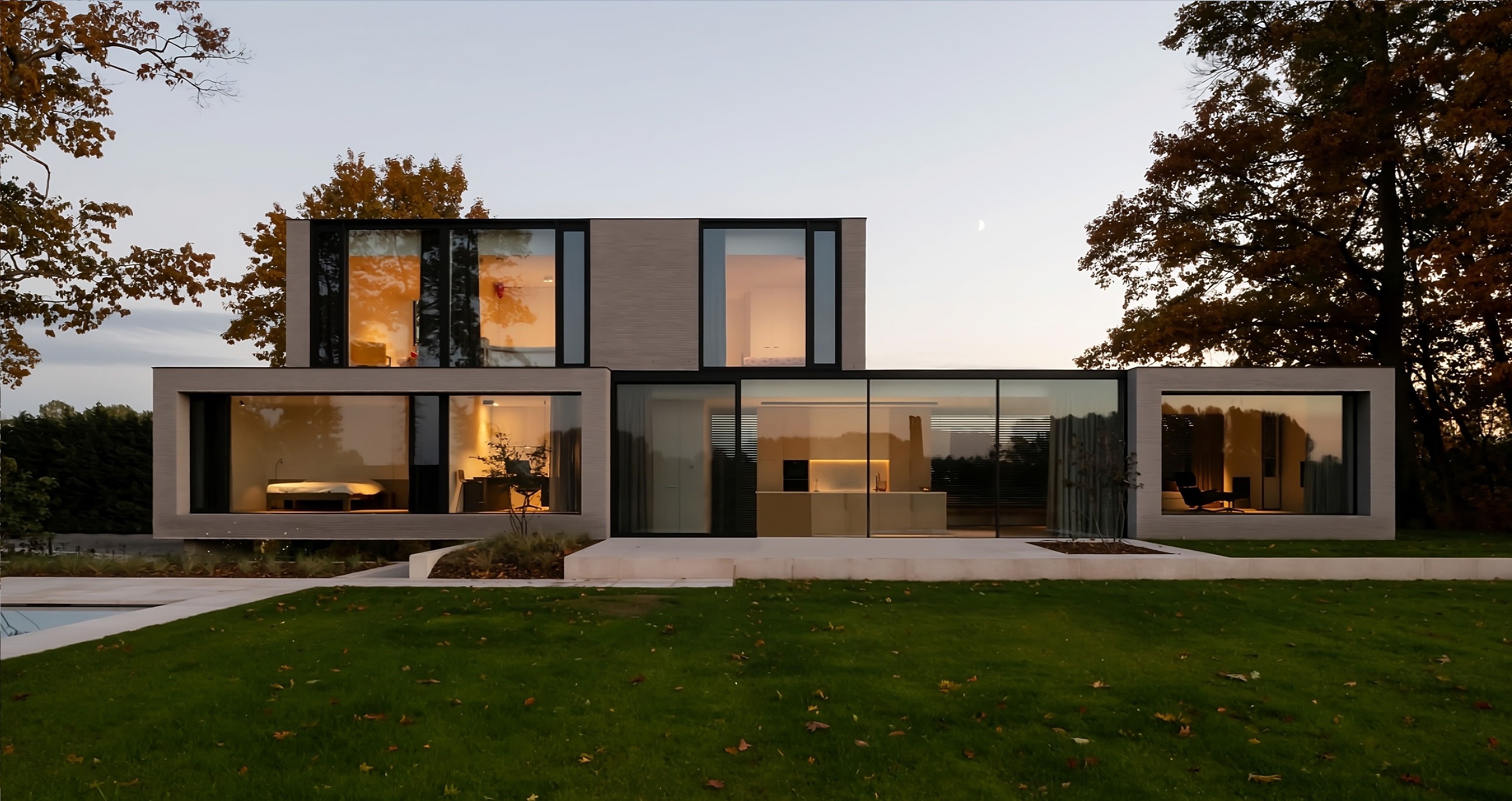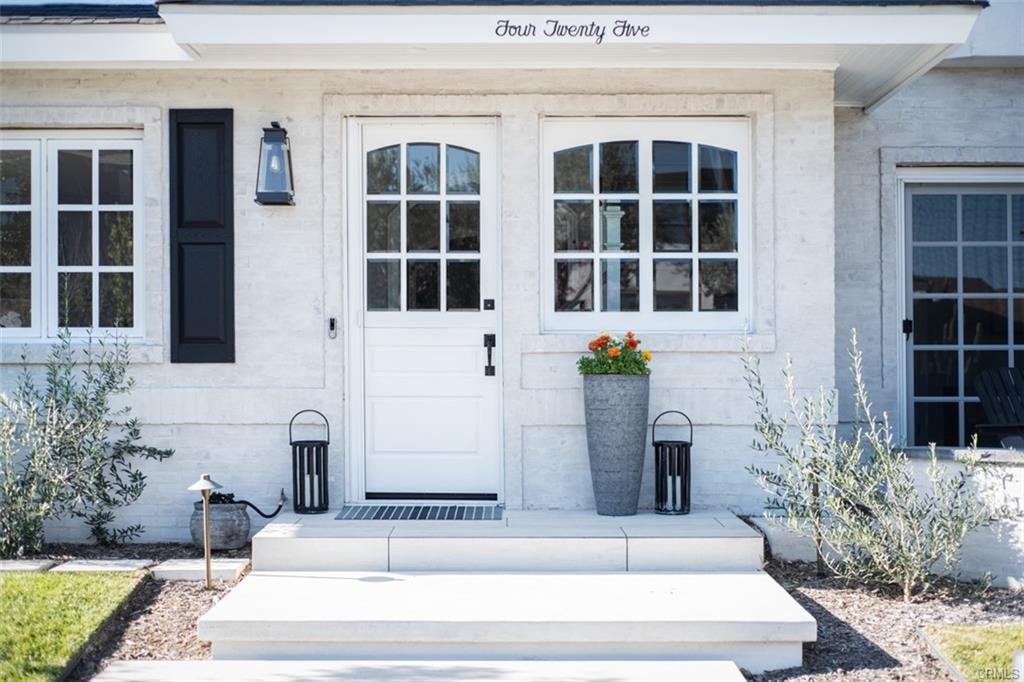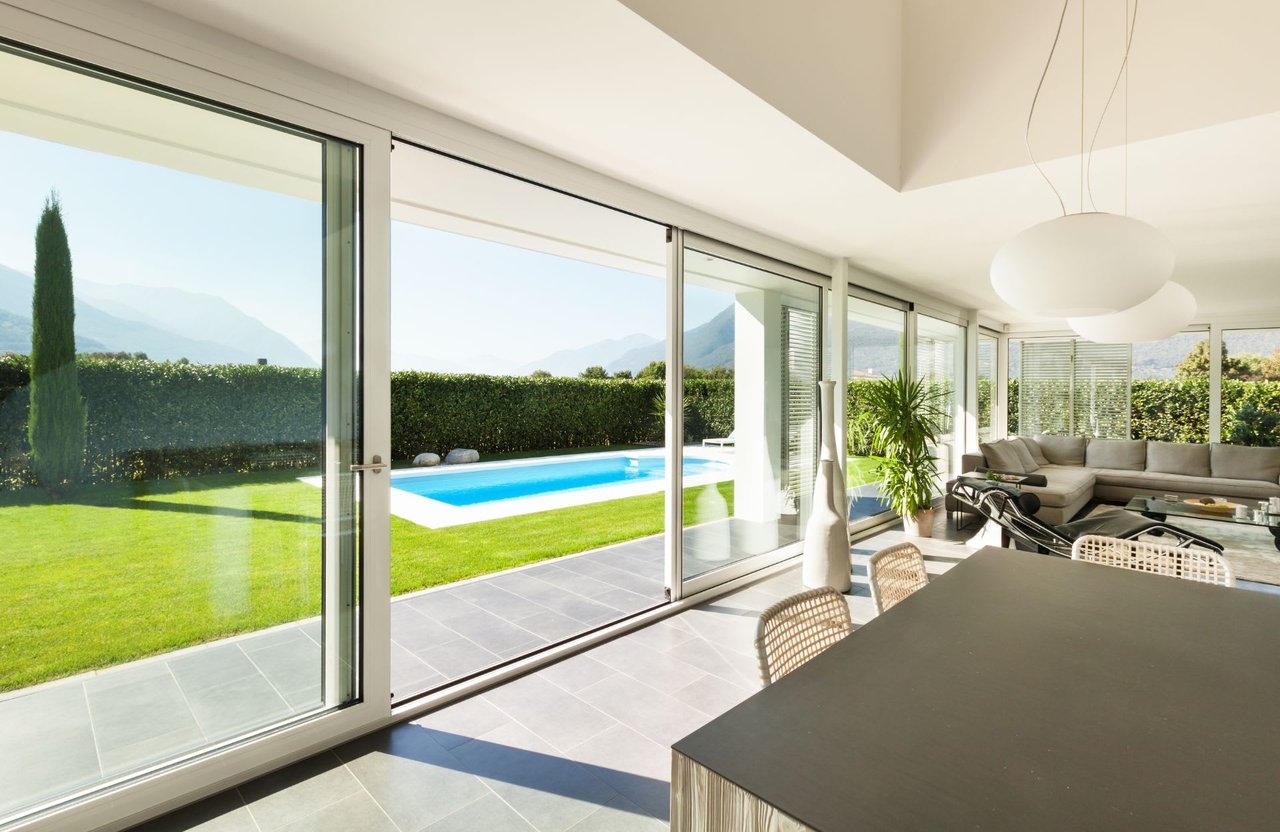
The downsizer conversation has changed. Five years ago, "downsizing" usually meant leaving the coast for a smaller home in a less expensive market. Today, most of the families I work with want to downsize without leaving — they want less square footage, less yard, less maintenance, and the same Newport Beach or Costa Mesa zip code their friends, doctors, and grandkids are in.
The good news is the inventory has caught up. There are real options now in coastal OC that did not exist a decade ago. The harder part is matching the right downsizer to the right path, because the wrong move can leave you with the same maintenance burden in a smaller package — which defeats the purpose.
Here is how I help families think through it.
Path 1: The Walkable Village Cottage
This is the path most coastal OC empty-nesters end up choosing once they see it: trade the family home for a smaller, single-story cottage in a walkable village pocket. CdM Village, Balboa Island, and certain blocks of Newport Heights are the classic options. In Costa Mesa, parts of Eastside and the older bungalow streets near 17th Street fit this profile.
What you get: a 1,400 to 2,200 sqft. single-story home, a walkable daily life, and Prop 19 portability for your tax basis if you are 55 or older.
What you give up: yard size, sqft., garage space, and (often) the privacy of a larger lot. Some downsizers love the trade. Some try it for six months and miss the yard. Spend a few weekends in the village pockets you are considering before making the move.
Price range in 2026: $2.5M to $4.5M for true village cottages, more for renovated or front-row homes.
Path 2: The Single-Level Condo or Townhome
The cleanest "less house, more freedom" path. New and recent-build communities in Newport Beach (think the Lido and Newport Center adjacent towers and townhomes), Newport Coast, and select Huntington Beach pockets give you single-level living with HOA-managed exteriors, secure parking, and lifestyle amenities.
What you get: zero exterior maintenance, often a concierge and gym, often pool and spa access, secure access. Typically single-level units between 1,800 and 3,500 sqft.
What you give up: backyard, control over the building exterior, and (in some buildings) a sense of ownership over the daily environment. HOA fees in this category can be meaningful — $1,200 to $3,500 per month is common in the better buildings — and you need to factor that into the long-term math.
Price range in 2026: $1.8M to $5M for the strong inventory, with top-tier waterfront units higher.
Path 3: The "Right-Size" Single-Family in a Quieter Pocket
This is the one most downsizers overlook because it sounds boring. Stay in coastal OC, stay in a single-family home, but move to a smaller home in a quieter neighborhood. Examples: leaving a 4,500 sqft. Newport Coast home for a 2,400 sqft. Eastbluff single-story. Leaving a Mesa Verde family home for a smaller Cliff Haven cottage.
What you get: continued single-family ownership, real yard, no HOA constraints, but meaningfully less maintenance, lower property tax (especially if you transfer your basis under Prop 19), and a different daily rhythm.
What you give up: less than you think. Most families I work with on this path are surprised at how much daily friction was tied to the larger house — yard, pool, multiple zones to clean, multiple HVAC systems. Cutting sqft. by 30 to 40 percent often reduces total maintenance hours by more than half.
Price range in 2026: $2M to $4M depending on neighborhood and condition.
Path 4: The Newport Beach Tower or Lido-Adjacent High-Rise
A newer category. The recent generation of luxury towers and tower-adjacent buildings in Newport Beach (along PCH, around Newport Center, and near Lido Marina) have brought genuine high-rise living to coastal OC for the first time at scale. For a specific downsizer profile — used to a larger home, ready for full lock-and-leave, wants the building to handle everything — these are an outstanding fit.
What you get: full lock-and-leave living, often valet, often concierge, often building security, sweeping views, and access to the Newport lifestyle without owning the maintenance.
What you give up: a yard, in some cases a pet-friendly environment (depends on building), and a portion of the daily neighbor interaction that single-family downsizers value.
Price range in 2026: $2M to $10M-plus depending on view, floor, and building.
Path 5: The In-Family Move
This is the path nobody talks about, and it is the one I see working better than expected for the right families. Move into an ADU or guest house on a child's property, or move into a multigenerational home where everyone has private space. Sell the primary, take the proceeds, and live in a different financial reality.
What you get: closeness to grandchildren, daily presence in your kids' lives, often dramatically reduced living costs, and sometimes a meaningful inheritance impact down the road.
What you give up: privacy, autonomy, and the assumption that family proximity stays comfortable when it is also financial. This path requires real conversations and real boundaries up front. When it works it is incredible. When it does not, it is hard to reverse.
I included this because more coastal OC families are choosing it than the brochures suggest, and most of them are quietly thrilled with the decision.
A Note on Prop 19
If you are 55 or older and you are downsizing within California, you can usually transfer your existing property tax basis to the new home under Proposition 19. This is a meaningful financial benefit — for a long-held coastal OC home, it can be the difference between a manageable annual property tax bill and one that is two or three times higher.
The rules are specific (the new home's value, timing of the sale, where the new home is located), and you should run your specific situation past your CPA and your real estate agent before relying on the basis transfer. I have a more detailed walkthrough of Prop 19 for Newport Beach homeowners coming later this month — until then, the short version is: do not assume Prop 19 portability applies, and do not assume it does not. The math depends on details that vary family to family.
How to Pick the Right Path
The cleanest way to choose is to write down what you are actually optimizing for. The downsizers who get this right almost always have a specific answer to one of these questions:
- Reduced maintenance — usually points to Path 2 (condo) or Path 4 (tower).
- Walkable daily life — usually points to Path 1 (village cottage).
- Continued single-family living, less house — usually points to Path 3 (right-size single-family).
- Family proximity — usually points to Path 5 (in-family move).
If two of those are tied, the path that wins is usually whichever you can mentally picture yourself in five years from now. The decision people regret is the one they made because it sounded right on paper but did not match their actual life.
FAQs
Can I keep my low property tax basis if I downsize within Orange County?
If you are 55 or older, in most cases yes — Prop 19 allows for the transfer of a primary residence's tax basis to a new primary residence within California, with specific rules around timing and value. Your CPA and your real estate agent can confirm whether your specific situation qualifies. I always recommend running the numbers before listing rather than after.
What's the typical timeline from listing the family home to closing on the next one?
For most coastal OC downsizers, 60 to 120 days end-to-end is realistic. The variable is whether you sell first, buy first, or use a sale-leaseback to bridge the gap. I help families plan the order of operations before listing so the timing works without forcing a stressful gap.
Are HOA fees in luxury condos and towers really that high?
In the better buildings, yes — $1,200 to $3,500 per month is common in coastal OC towers and luxury condos. The fee usually covers exterior maintenance, building amenities, security, and sometimes water and trash. Compare it carefully to what you currently spend on the family home's exterior maintenance, gardening, pool service, and security — for many downsizers, the all-in number is similar or lower.
Do I have to sell the family home before I can move?
No, but you do need to plan the financing. Bridge loans, HELOCs, sale-leasebacks, and contingent purchases all let you move into the next home before the family home closes. Each has trade-offs.
What if my kids want me to keep the family home for them?
This is one of the most common conversations in downsizer planning, and it deserves its own discussion. The short version: keeping the home in the family has real benefits (continuity, sentimental value, potential rental income) and real costs (maintenance, taxes, family dynamics). The right answer depends on your finances, your kids' situations, and your goals for the home long-term. Get a clear-eyed family conversation on the table before assuming either direction.
Let's Talk
If you are starting to think about downsizing in coastal Orange County and want a private conversation about which path actually fits your family — and how Prop 19 might affect the move — that is exactly the kind of conversation I have with families regularly. We talk about the home, the goals, the timeline, and the financial picture. You leave with a clearer plan, not a sales pitch.
Before you pick the destination, make sure the tax math works in your favor — Prop 19 and downsizing after 55 covers the transfer rules, and my complete guide to Prop 19 for Newport Beach homeowners puts the whole law in plain English.
If the tax side of a move is what has kept you in place, the Prop 19 downsizing planning page walks through the two year window, the value allowance, and the filing step, and you can request a timeline review there.