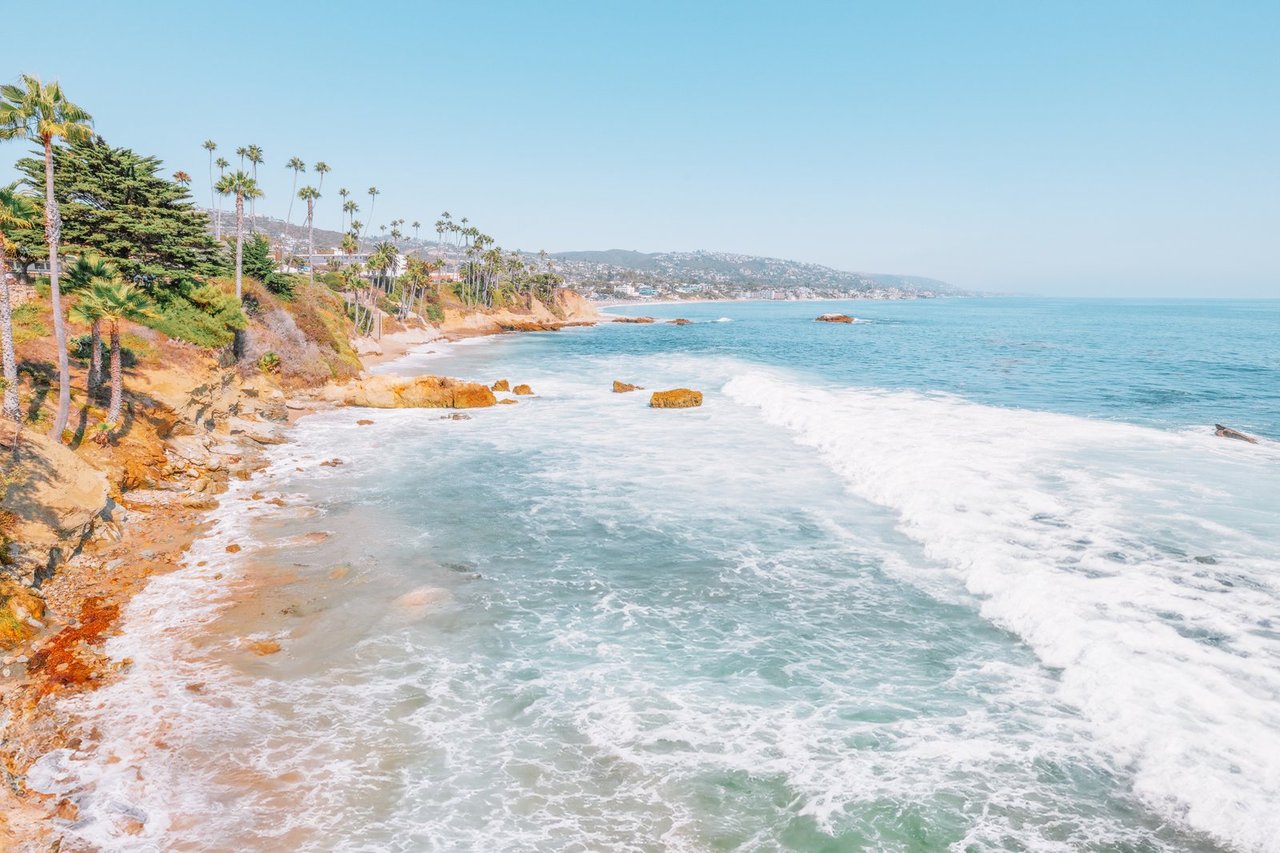
Walk the west side loop at Fairview Park this week and you will see the usual dog walkers cutting through the sage scrub toward the Placentia Avenue entrance, a few runners working the bluff trail above the Santa Ana River channel, maybe a kite catching the afternoon onshore breeze near the flower fields. It looks like the same park it has always been. It is not.
Right now, two separate processes are reshaping this 208-acre stretch of Costa Mesa's largest park, and they are running on completely different clocks. One of them closes in seventeen days. Almost nobody walking the trails knows it is open at all.
The Two Clocks Running on the Same 208 Acres
Fairview Park is 195 acres of natural open space and 13 acres of manicured landscape, all sitting on a Nationally Registered Cultural Resource Historic Site with five distinct habitat ecosystems. It also functions as the regional gateway to the Santa Ana River Trail, the Orange Coast River Park, and the adjacent Talbert Regional Park, stitched together by seven miles of trail. That scale is exactly why two unrelated city processes can be touching the same acreage at once without most residents noticing either one.
Process | What's actually being decided | Public comment status |
|---|---|---|
West bluffs stabilization | Whether the eroding slope gets stabilized with deep-rooted plantings, retaining walls, or both | Closed for now. The city already awarded the engineering contract. |
Master Plan Update / flying field relocation | Whether the radio-controlled aircraft field moves from the park's west side to its east side | Open through August 28, 2026 |
The bluffs are already past the comment stage. The flying field relocation is the one thing left open, and only barely.
Why the Flying Field Is Actually Moving
If you assumed the model-aircraft field was getting relocated because it bothers hikers, that is not what happened. Costa Mesa's Fairview Park Administrator, Kelly Dalton, told the parks commission last October that the California Department of Fish and Wildlife had sent correspondence recommending the field's relocation over concerns about burrowing owls, candidate pollinators, and sensitive vegetation near the current site. This was a state wildlife agency reading the mesa's habitat, not a noise complaint from someone walking a dog near the field.
The commission split on what to do about it, three members favoring relocation off the mesa entirely and two favoring keeping the field where it sits under its existing permit with the Harbor Soaring Society, the group the city has partnered with since 2023 to manage model aircraft flying at Fairview Park. The full council settled it on December 2, 2025, voting 4-3 to send the master plan forward with the field moving to the east side, pending environmental mitigation findings. Council members Pettis and Beaulieu voted no.
That vote already happened. What is happening right now is narrower: the city recirculated its environmental review specifically because of new details on that relocation, and it is only taking comments on the newly added information, not on the rest of the master plan. Comments go to Kelly Dalton at the Parks and Community Services Department or by email, and they are due by 5:30 p.m. on August 28, 2026, a Friday.
For anyone who uses the east side regularly, here is what that would put in the same general area:
- The Goat Hill Junction miniature railroad, already running at the park's eastern end
- The relocated flying field, if the final CEQA findings hold
- The pedestrian bridge connecting the west and east sides, which becomes the practical dividing line between "moved" and "unmoved" park uses
If you cross that bridge on your regular loop, this is the piece of the master plan that changes your walk, not the trail realignments getting discussed elsewhere in the document.
The Bluff Underneath Your Regular Loop
The west bluffs are a different problem with a different clock. On April 8, 2026, the Costa Mesa City Council awarded a two-year, $533,189 contract to the engineering firm Psomas to build an action plan for the park's degrading west bluffs, with the full stabilization project estimated around $2 million once construction begins. The bluffs have been sliding for years. An emergency berm project in 2019 slowed the erosion but did not stop it.
One resident pressed the council on the stakes directly:
"There is significant concern that parts of this bluff could collapse."
The fix is not guaranteed to be simple. If the eventual design calls for retaining walls rather than deep-rooted native plantings, that option could require voter approval under the city's Measure AA, a local ballot measure governing park land use. Nobody knows yet which way this goes. That is the point of the two-year contract: Psomas has to work through design, environmental planning, and cultural resource review before anyone proposes pouring concrete into a Nationally Registered Cultural Resource Historic Site.
Unlike the flying field, there is no public comment window open on the bluffs right now. The contract has been awarded. The next real decision point comes when Psomas's action plan lands, and given the two-year term that started in April 2026, that puts it on track for sometime in 2028.
The Rattlesnake Advisory and the Mosquito Trade-off
Two smaller items from this spring are worth knowing if you use the trails regularly. A resident reported increased rattlesnake sightings in off-trail areas near the berms and bluff paths at the April city council meeting, with a reminder to stick to designated trails. That advice matters more this year given how much foot traffic the bluff work is likely to redirect toward established paths anyway.
The same council update covered the park's vernal pools, which host the San Diego fairy shrimp and double as prime mosquito breeding habitat once the rainy season fills them. The Orange County Mosquito and Vector Control District told the council its recent work, which included drone treatment of mosquito larvae in the vernal pools alongside control measures near the Randall Preserve, had reduced adult mosquito populations by roughly 72 percent. What has not happened yet is the wetland circulation and pump equipment that would address the breeding problem at its source rather than treating it after the fact. Mayor John Stephens pushed for advancing that pump project at the same meeting. Until it moves, the vernal pools stay effective at their two jobs: supporting a protected species and producing mosquitoes.
What Already Happened This Summer, and What Is Actually Left
If you missed Concerts in the Park this year, the free Tuesday series ran its 2026 dates through Fairview Park in July, pre-show at 5 p.m., music at 6, with food trucks and a beer and wine garden drawing crowds to the open field near the Placentia Avenue entrance. The Costa Mesa Lions Club already ran its annual Fish Fry in June too, an event that historically pulls somewhere between 10,000 and 20,000 people through the park in a single weekend.
What is still ahead: the Orange County Model Engineers run the Goat Hill Junction miniature train free of charge on the third weekend of every month at the park's eastern end, which puts the next ride on Saturday and Sunday, August 15 and 16. The Fairview Park Alliance holds native habitat restoration mornings every second Saturday, from 9 to 11 a.m., meeting at 2525 Placentia Avenue, with the next one landing September 12.
None of that changes the shape of the park. The flying field relocation might. If you have an opinion on where that hobbyist activity should sit relative to the trails you actually walk, the window to say so closes in seventeen days, and it is the only piece of this year's park changes still asking for your input at all.
If you're weighing what a home near a park like this is actually worth, or how public land-use decisions like these tend to ripple into nearby property values over time, that's a conversation Jade Larney has with Costa Mesa buyers and sellers regularly. Request a consultation and free home valuation to talk through what's actually happening in your corner of the market.
A note from Jade
Curious what homes around here are actually selling for? Once a month I send the real numbers for Newport Beach, Costa Mesa, Irvine, and Huntington Beach, in plain English, with what they mean for owners and buyers.