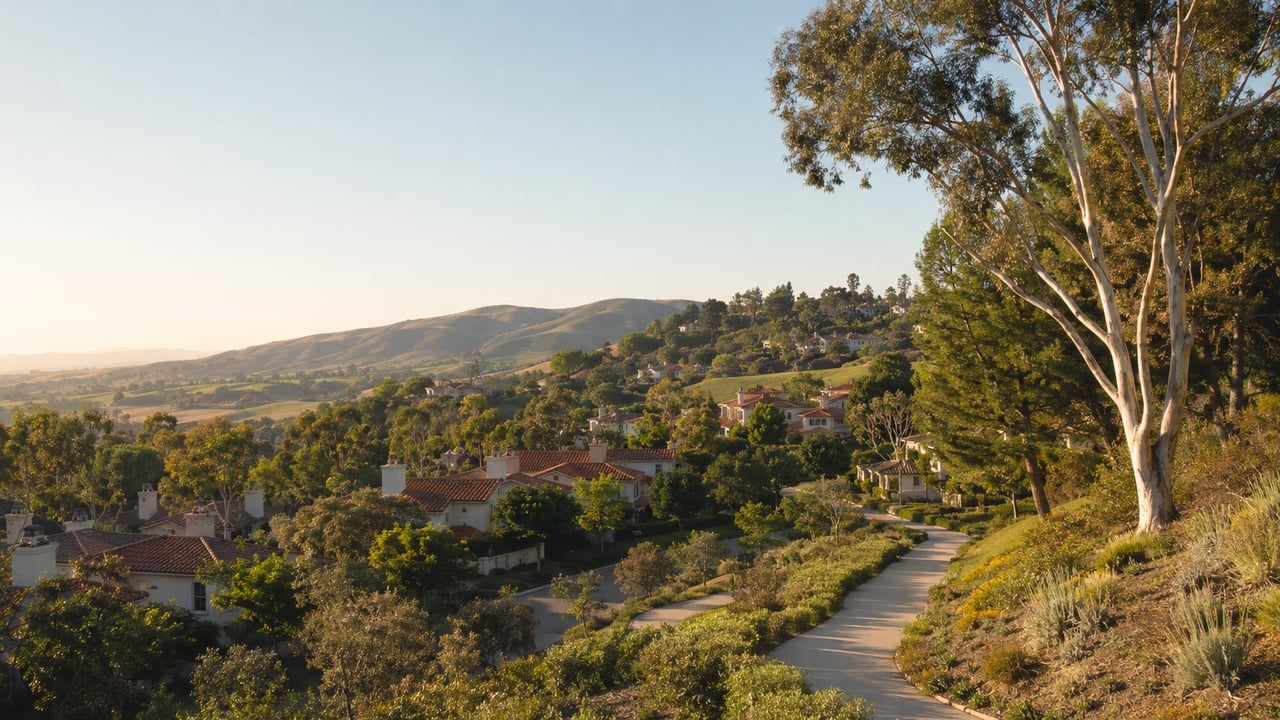
Turtle Rock is one of Irvine's first villages, and after nearly fifty years it still does something most newer neighborhoods can't — it feels settled. The trees are grown in, the streets follow the hills instead of paving over them, and much of the village backs up to open space that will never be built on.
Whether you're a buyer weighing Turtle Rock against the rest of Irvine, or an owner wondering what you're sitting on, here's a detailed look at the homes, the schools, the university at the doorstep, the tax picture, and where the market stands in 2026 — the kind of read a longtime local would give you over coffee.
The lay of the land
Turtle Rock sits in the southern hills of Irvine, wrapped around Turtle Rock Drive and rising toward the ridgelines above UC Irvine. Most of it was built between the late 1960s and the 1990s, and that maturity is the whole point: grown-in landscaping, real elevation changes, and canyon and city-light views you simply don't get on the flat, newer side of town. It's one of Irvine's original master-planned villages, made up of roughly two dozen distinct home collections — from attached townhomes to guard-gated custom estates — each with its own era, architecture, and price point.
For a lot of buyers, that's the draw. Turtle Rock isn't a brand-new tract where every home looks the same and the trees are still staked. It's an established, tenured neighborhood with variety, character, and a quiet, tucked-into-the-hills feel — while still being minutes from the freeways, the university, and the coast.
The homes: a full price ladder
One reason Turtle Rock works for such a wide range of buyers is that it isn't any single kind of home. The village spans nearly the full Irvine price ladder, and knowing where you fit on it is the first real decision. Broadly, it breaks into three tiers:
- Attached townhomes & condominiums — the way in. Communities like Turtle Rock Glen, Turtle Rock Pointe, the Highlands and Ridge townhomes, and the Glen garden homes offer attached, lower-maintenance living — association pools, spas, and tennis, with HOA-managed exteriors. These are typically the most attainable path into the neighborhood and its schools, and they tend to trade well below the village-wide average.
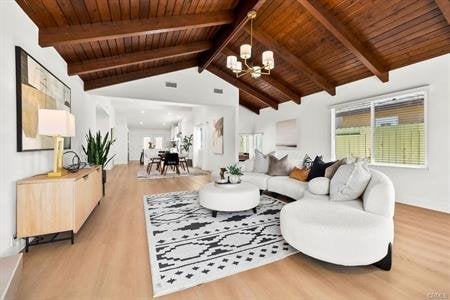
- Single-family homes — the heart of the village. Broadmoor's California-ranch homes date to the late 1960s and early '70s and run from cottages near 1,500 square feet to five-bedroom houses over 4,000. The Hills, the Terraces, Highlands Garden, and Campus View add 1970s and '80s Mediterranean and transitional styles, many on generous, view-friendly lots. This is the largest and most varied slice of the market.
- Hillside & custom homes — the top of the range. The Summit, built in 1995 at the village's highest elevation, is a smaller enclave known for panoramic views; the Crest custom homes sit among the most distinctive addresses in the area; and the guard-gated luxury of Shady Canyon rises right at Turtle Rock's edge. These reach well into the multi-millions.
That spread is a big part of why the neighborhood holds its value. A first-time move-up buyer and a buyer well north of three million dollars can both find a home here, which keeps demand deep across every price point. A practical note on carrying costs: most attached communities have an HOA that covers exteriors and the shared amenities, while many single-family tracts carry a lower fee or none at all — so two homes at a similar price can have very different monthly numbers once you add it all up.
How Mello-Roos may — or may not — apply
You'll often hear that Turtle Rock has "no Mello-Roos," and for most of the village that's true — but it's worth understanding why, because it's not automatic for every home.
Mello-Roos refers to a special tax charged inside a Community Facilities District, created under a 1982 California law to help fund infrastructure — roads, schools, parks — in newer developments. The property owners inside that district pay the tax, often for decades. Because the bulk of Turtle Rock was built before that law and was never placed in one of these districts, most established homes here carry no Mello-Roos at all. In Irvine's newer villages, that same line item can add several thousand dollars a year to the tax bill, so the difference is real money over a long hold.
Where it gets nuanced: "no Mello-Roos" isn't a blanket guarantee for every property in or around Turtle Rock. Newer or edge developments built in the district era, and some adjacent communities, can carry a special tax or assessment. The only way to know for a specific home is to read its actual tax bill and disclosures — the total tax rate and any special assessments are itemized there. It's exactly the kind of detail that's easy to assume and expensive to get wrong, and it's one of the first things I check for a client before we ever talk price.
Schools — and a university at the doorstep
Turtle Rock is zoned to Irvine Unified, consistently one of the top public districts in California, and its school assignments are a genuine value driver — often the reason a family is looking here in the first place.
At the elementary level, the village is served by highly rated campuses in Turtle Rock Elementary and Bonita Canyon. Students generally feed into Rancho San Joaquin Middle, and then into University High School — a National Blue Ribbon school that routinely ranks among the best public high schools in the state, with deep AP offerings and a track record of competitive college placement. That K–12 pipeline is a large part of why homes here stay in demand even when the broader market softens. School boundaries and eligibility can vary by address, so it's always worth confirming the exact assignment for a specific home before you count on it.
Then there's the university itself. UC Irvine — a top-tier public research university — is about five minutes away, and Concordia University Irvine sits nearby as well. That proximity does two things. It anchors steady, year-round housing demand from faculty, staff, researchers, and graduate families, which is part of why Turtle Rock rents and values have been so stable through different cycles. And it puts a genuine cultural and educational amenity at the doorstep: the Irvine Barclay Theatre, the Bren Events Center, the UCI Arboretum, Division I athletics, lectures, and continuing education are all minutes from home. For families raising college-bound kids — or anyone who values living next to an intellectual hub — that's a lifestyle advantage that a newer, more isolated tract simply can't offer.
Location and lifestyle: trails at the door, the coast ten minutes out
The location is the other half of the story, and it's unusually well-rounded. Turtle Rock has direct access to thousands of acres of preserved open space — the Turtle Rock Nature Center, a five-acre native habitat with community programs, sits within the village, and the trails through Bommer Canyon and Shady Canyon open onto miles of protected hills. The village's own community park adds lighted tennis courts, an amphitheater, playgrounds, and a natural stream trail, and the expansive William R. Mason Regional Park is just down the hill. Even Tanaka Farms, a working u-pick farm with seasonal events, is practically next door.
And because of where Irvine sits, the rest of Orange County is close: roughly ten minutes to John Wayne Airport, ten to Fashion Island and the Newport coast, and ten to the shops and restaurants at Irvine Spectrum, with quick access to the 405, 5, 73, and 133. It's the rare combination of a quiet, hillside neighborhood that happens to be central to everything — the kind of everyday convenience that's hard to appreciate until you live it.
The Turtle Rock market in 2026
As of mid-2026, the average home value in Turtle Rock is about $2.4 million, up roughly 4.6% over the past year, with supply tight — on the order of three dozen homes on the market across the entire village at any given time (Zillow). Keep in mind those figures span everything from attached townhomes to hillside custom homes, so the average is a headline, not a price for any one home. What a specific property is worth depends heavily on its type, its position within the village, its condition, and its views.
What the numbers reflect is the pattern Turtle Rock has held for decades: limited supply, deep demand, and prices that have compounded steadily through multiple cycles — booms, the 2008 correction, and the pandemic surge included. For owners, that tends to mean equity that holds. For buyers, it's a neighborhood where getting in has historically rewarded patience, and where the best homes still move quickly when they're priced and presented well.
Who it suits — and what it means if you already own
If you're buying, Turtle Rock makes the most sense when you want an established, low-turnover neighborhood with top schools and real access to nature — and when you value a home's setting, its trees, elevation, views, and walkability to trails, as much as its square footage. Decide early where on the price ladder you fit, because a townhome, a Broadmoor ranch, and a Summit view home are very different buys with very different monthly costs once HOA and taxes are in the picture.
If you already own here, the number worth understanding isn't the village average — it's what actually drives your home's value: your specific tract, lot, condition, and view, and how a renovated home compares to an original one on the same street. Those gaps have widened in recent years, and they're exactly where hidden value, or value left on the table, tends to live.
Turtle Rock, Irvine: frequently asked questions
Is Turtle Rock a good place to live?
For most buyers, yes. It's an established Irvine village with top-rated schools, direct trail access to preserved open space, and a five-minute drive to UC Irvine — quiet and tucked into the hills, yet minutes from the coast, the airport, and the freeways. It tends to suit families and professionals who want a settled, view-rich neighborhood over a brand-new tract.
What kinds of homes are in Turtle Rock?
The full range. Attached townhomes and condominiums (communities like Turtle Rock Glen and Turtle Rock Pointe) are the entry point; single-family homes in tracts like Broadmoor, The Hills, and The Terraces make up the core; and custom hillside homes — The Summit, the Crest customs, and guard-gated Shady Canyon at the edge — sit at the top.
Does Turtle Rock have Mello-Roos?
Most established homes don't — they predate California's 1982 Community Facilities District law — which is a real monthly savings compared with Irvine's newer villages. But it isn't automatic for every property: newer or edge builds can carry a special tax, so always confirm the Mello-Roos and special-assessment status on the specific home's tax bill before you assume.
What schools serve Turtle Rock?
Turtle Rock is part of Irvine Unified, one of California's top districts. The village is generally served by Turtle Rock and Bonita Canyon elementaries, Rancho San Joaquin Middle, and University High School — a National Blue Ribbon campus among the highest-rated public high schools in the state. Confirm the exact assignment by address, since boundaries can vary.
How close is Turtle Rock to UC Irvine and the beach?
UC Irvine is about five minutes away. From there it's roughly ten minutes to John Wayne Airport, ten to Fashion Island and the Newport Beach coast, and ten to Irvine Spectrum — with quick access to the 405, 5, 73, and 133 freeways.
Does Turtle Rock have HOA dues?
It depends on the home. Attached townhome and condo communities carry an HOA that maintains exteriors and shared amenities like pools, spa, and tennis. Many single-family tracts have a lower fee or none at all — so two homes at a similar price can carry very different monthly costs.
Is Turtle Rock expensive?
The average home value is around $2.4 million as of mid-2026, but the range is wide. Attached homes are the most attainable way in and often trade well below that average, while custom hillside homes reach into the multi-millions. The "average" masks a real spread, which is why type, condition, and location matter so much here.
What is Turtle Rock known for?
Being one of Irvine's original, most established villages — hilly, tree-filled, and wrapped in preserved open space, with top schools and UC Irvine minutes away. It's known for holding its value and for a quiet, settled character that newer parts of the city haven't had time to grow into.
My take: Turtle Rock rewards specifics. The village-wide average is a headline, not an answer — the homes range from attached townhomes to custom hillside estates, the tax and HOA picture shifts from tract to tract, and what moves the needle for any one home is condition, position, and views. Whether you're buying or thinking about selling, the smartest first step is getting clear on where a particular home actually sits in that range. That's the part I do for a living, and it's where the real money is made or left behind.
Thinking about Turtle Rock?
If you're comparing Irvine neighborhoods or trying to understand what your budget realistically buys here, I can help you narrow it down and see homes that fit — including a few that come to market quietly, before they're ever listed publicly.
And if you already own in Turtle Rock and want a clear read on what your home would sell for today, I'll walk you through the numbers and the strategy behind them.
A note from Jade
Curious what homes around here are actually selling for? Once a month I send the real numbers for Newport Beach, Costa Mesa, Irvine, and Huntington Beach, in plain English, with what they mean for owners and buyers.
Market figures are general information for the Turtle Rock area as of mid-2026 (source: Zillow) and are not a valuation of any specific property or a guarantee of future value. School assignments, HOA dues, and Mello-Roos or special-assessment status can vary by address and should be confirmed for a specific home. This is general real estate education, not legal or tax advice.