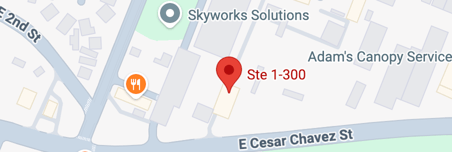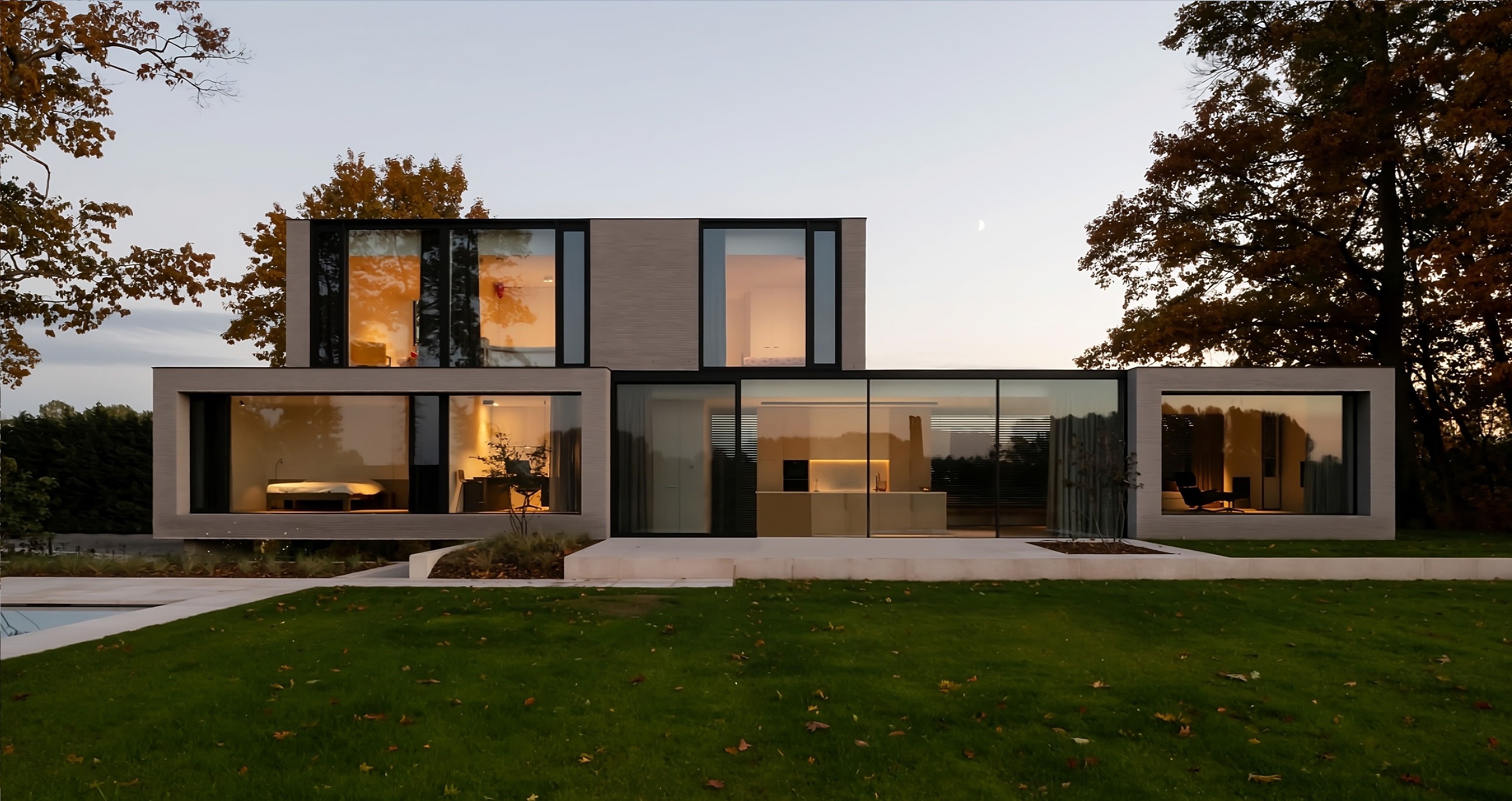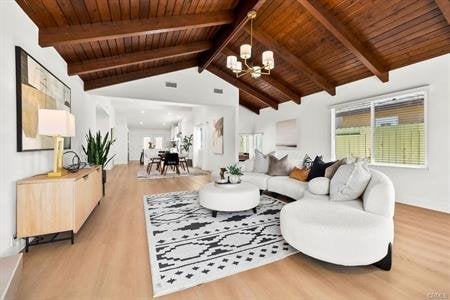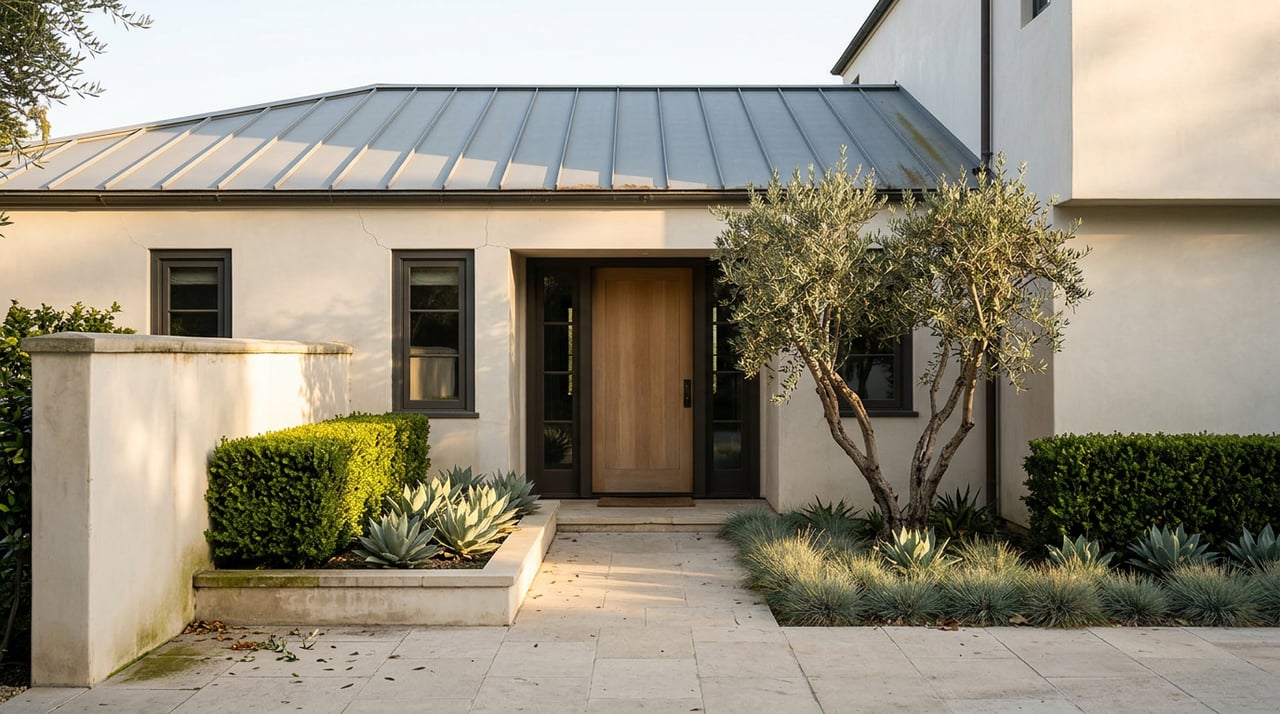
Two houses on Goldenrod Avenue are about to disappear. Built in 1930 and 1936, they sit among the oldest surviving structures in Corona del Mar, on a block that runs straight to the Goldenrod Footbridge and the sand beyond it. Once they come down, the lots will become three new front and back homes, the kind of redevelopment that has become the default outcome for aging cottages this close to the beach.
What makes the Goldenrod houses worth stopping on isn't that they're being torn down. It's that Newport Beach already has a program built specifically to give owners another option, and that option had nothing to do with why these two didn't take it. If you're weighing a Flower Streets cottage against a new build in Corona del Mar, the program you've probably heard about isn't the thing deciding the outcome. A quieter code section is.
What the Program Actually Offers
In January 2022, the Newport Beach City Council adopted a voluntary Cottage Preservation Program aimed at owners of the smaller, older homes that define old Corona del Mar, along with similar pockets on Balboa Island and the Balboa Peninsula. The city doesn't define "cottage" with a hard rule. It uses the term for the traditional one-story-in-front, small-second-story-over-rear-parking homes that built out these neighborhoods before the current wave of two- and three-level construction.
The deal the program offers is real. Owners who agree to keep a traditional cottage envelope, meaning the front half of the lot capped at one story and 16 feet, the rear half at two stories and 24 feet, and no third floor or third-floor deck anywhere on the lot, can add up to 50 percent of their existing floor area or 750 square feet, whichever is larger. They also get relief from the parking minimums that would otherwise cap a nonconforming cottage's addition at just 10 percent of existing floor area.
On paper, that's a generous trade. A modest addition, without a fight over parking, in exchange for staying inside a scale the city wants to protect.
The Code Section That Quietly Overrules It
Here's the part that actually decides most outcomes, and it isn't in the preservation program at all. It's in a separate, much older piece of the municipal code, at Section 15.02.060, and it applies to every residential remodel in the city, not just cottages.
The rule: if the value of a remodel or addition permit exceeds 50 percent of the dwelling's market value, the entire project has to comply with current code as if it were new construction. That threshold exists to keep aging housing stock from being patched together indefinitely without meeting modern building standards, and in most cities it rarely bites. In Corona del Mar, where land carries most of a lot's value and the structure sitting on it is often a modest 1920s or 1930s frame, it bites constantly. A cottage's market value, as distinct from the land under it, can be small enough that even a mid-size addition trips the 50 percent line. Once it does, an owner who planned a bedroom and a bathroom is suddenly pricing out a scope closer to a full rebuild, without the design freedom the preservation program was supposed to protect.
The city's own materials describe this exact pattern: owners who wanted to make a small cottage more livable ran into a code trigger that made a modest project too costly to be worth doing halfway, so they demolished and rebuilt instead. The Cottage Preservation Program was the city's answer to that problem. It just doesn't touch the trigger causing it. It offers a bigger addition allowance and relaxed parking, but the valuation math that pushes owners toward full compliance in the first place still runs in the background of every cottage remodel conversation.
That's the gap worth understanding before you fall for a listing's charm. The rough order of what different project types cost in time, separate from dollars, looks like this:
| Project type | Typical timeline |
|---|---|
| Interior remodel, no structural change | A few months |
| Structural addition or whole-house remodel | Several months to a year |
| Teardown and custom new build in the coastal zone | Commonly 12 to 36 months, depending on complexity and appeals |
The last row is where most Corona del Mar cottage stories end up, once the valuation math has already made the decision.
The Preservation Isn't Permanent, Either
Even for the owners who do use the program, it's worth being clear about what they're actually getting. The city has confirmed that the deed restriction tied to cottage preservation doesn't require indefinite preservation. A property redeveloped under the program today can still be rebuilt later, under whatever standards are in effect at that time.
A cottage-preservation deed restriction is a pause on redevelopment, not a lock on it.
That distinction matters if you're buying with the idea that a preserved cottage is protected the way a historic landmark would be. It isn't. It's protected the way a lease renewal is protected: real, but conditional, and reversible by a future owner who decides the math has changed again.
What the Count Looks Like on the Ground
The Corona del Mar Historical Society has been tracking this attrition since it began surveying the neighborhood's original cottages in 2020. Its numbers describe a shift that's easy to state and hard to undo: from roughly 1,800 cottages lining the Flower Streets at their peak in the 1960s down to fewer than 525 standing today, more than 70 percent already demolished. Fewer than one in four lots in the Village still has an original cottage on it at all.
The Goldenrod Avenue project fits that pattern exactly. Two of the oldest surviving structures in the neighborhood, on one of its most walkable blocks, going the way of most of what came before them. Nothing about that outcome required anyone to ignore the preservation program. The 50 percent valuation trigger made the math work out that way long before anyone reached the design table.
What This Means If You're Comparing a Cottage to a New Build
If you're looking at an older Corona del Mar cottage as a buyer, the conversation to have before you fall in love with the exterior is a financial one: what does a contractor estimate the addition or remodel at, and how does that number compare to the home's current market value, not the land's? That comparison, done early, tells you whether the cottage program is even a live option or whether you're really buying a future teardown with a charming interim.
Parts of the Village also sit under a separate planned community framework known as PC-29, which layers its own setback, height, and lot coverage rules on top of citywide zoning, and most of Corona del Mar falls inside the coastal zone, which can add a Coastal Development Permit to the timeline on top of standard plan review. Either of those can change a project's shape as much as the cottage program does, and they're worth checking before you assume any given lot's flexibility.
If you're selling a legacy cottage, the same math runs in reverse. Positioning the home as a preservation-eligible remodel opportunity only works if the numbers actually clear the valuation threshold. If they don't, the more honest and often more valuable pitch is the lot itself, alongside what a buyer could build under current PC-29 and coastal zone rules.
None of this shows up cleanly in a citywide median. In August 2026, Corona del Mar's median list price stood at $4.44 million, while a broader home-value estimate from two months earlier, at the end of June 2026, sat closer to $3.4 million. That million-dollar spread over a single quarter exists because a compact half-lot cottage and a newly rebuilt three-level view home get folded into the same citywide number, even though the code that governs what each one can become is almost nothing alike. The lot type tells you more than the address does.
Quick Answers
Does a cottage in the preservation program count as a historic landmark? No. It's a voluntary zoning incentive tied to building envelope, not a formal historic designation, and the deed restriction that comes with it isn't permanent.
Can I remodel a Corona del Mar cottage without joining the program at all? Yes, but any addition or remodel valued above 50 percent of the home's market value still triggers full new-construction code compliance under Section 15.02.060, whether or not you've opted into the cottage program.
Does agreeing to the cottage envelope lock in that limit forever? No. The city has said the deed restriction doesn't require indefinite preservation, so a future owner could redevelop the lot under the standards in place at that time.
This kind of question, where a zoning incentive and a building code trigger point in different directions, is exactly where a transaction can go sideways if nobody reads the fine print before writing an offer or setting a listing price. It isn't legal advice, and every lot's numbers deserve their own look from the city's planning division before you commit to a plan.
If you're weighing a Flower Streets cottage, a teardown lot, or a legacy property you've owned for decades, Jade Larney can walk through what a given address's zoning and building-code math actually allows before you make an offer or set a price. Request a Consultation & Free Home Valuation to start with the numbers that matter for your specific lot.