Dreaming of a home on the water in Newport Beach but not sure which shoreline fits your lifestyle and budget best? You’re not alone. Oceanfront, bayfront, and canal homes each deliver a different daily rhythm, set of responsibilities, and long‑term considerations. In this guide, you’ll learn how these locations compare for boating, beach time, maintenance, insurance, and resale value so you can choose with confidence. Let’s dive in.
Quick definitions with local examples
Newport Beach offers three main waterfront settings, each with distinct advantages and tradeoffs.
Oceanfront
Oceanfront homes sit directly on the Pacific with immediate beach and surf access. In Newport, this includes the ocean side of the Balboa Peninsula, areas around the Newport Beach Piers, and segments of Corona del Mar and Newport Coast. Expect direct sand access, iconic views, and public beach energy.
Bayfront
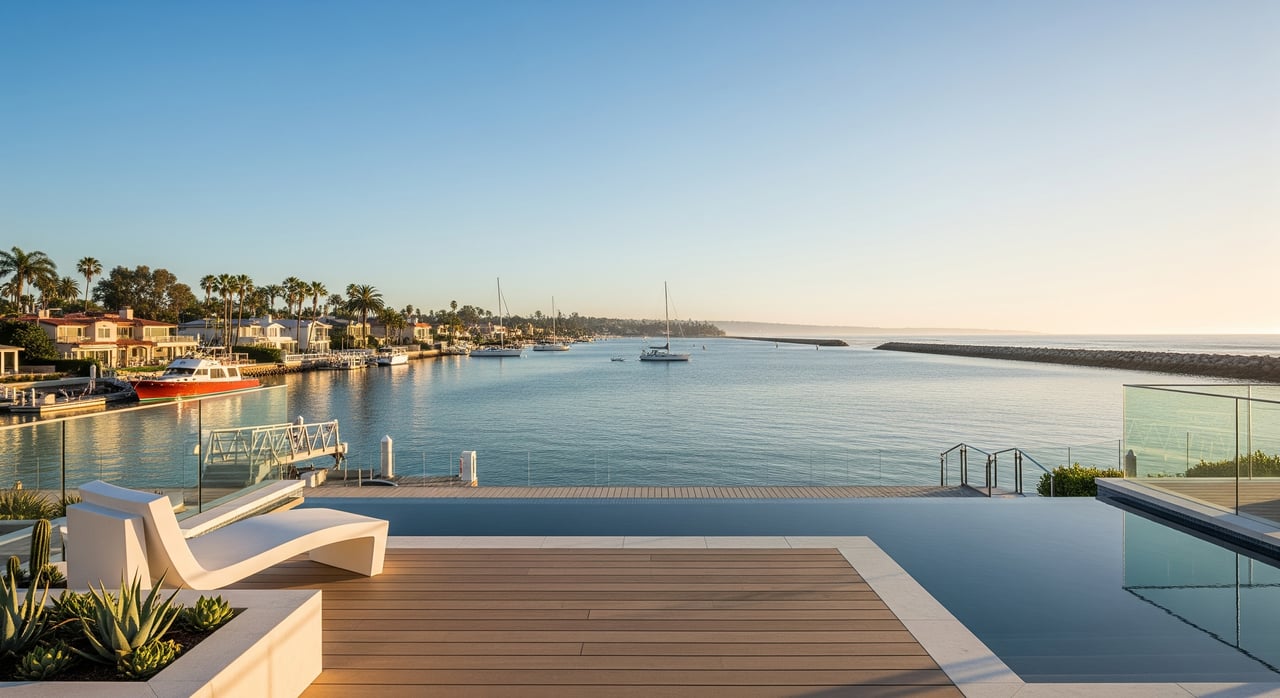
Bayfront homes face Newport Harbor or Upper Newport Bay. These locations offer sheltered water, calmer conditions, and proximity to marinas and yacht clubs. Lido Isle, Harbor Island, East Bayfront, and portions of the Balboa Peninsula on the harbor side are classic examples.
Canal
Canal homes line narrow interior waterways connected to the harbor. These spots are intimate and residential, often with small private docks right off the lot. Think Balboa Island’s main and Little Island canals and interior channels near Lido.
Access and boating differences
How you plan to use the water shapes the best fit for you.
Water access
- Oceanfront: Direct access to beach and surf, but not designed for keeping larger boats at the home. Owners typically berth boats in nearby marinas.
- Bayfront: Direct access to navigable channels and the ocean through harbor entrances, often with the capacity for larger private slips where allowed.
- Canal: Private docks suit small to medium boats and paddlecraft. Depths and widths can limit vessel size.
Dock rights and ownership models
- Dock arrangements vary widely. Some docks are owned in fee, others are licensed or leased where tidelands apply, and some are managed by HOAs.
- Confirm if a dock, boatlift, or slip conveys with the sale. Ownership of the upland lot does not automatically guarantee rights to submerged land or indefinite dock use.
Boat size and navigation
- Bayfront properties generally support larger yachts due to deeper water and wider fairways.
- Canals often impose length, draft, and bridge clearance limits. Plan for narrow channel transits.
- Oceanfront homes rarely include large‑boat moorage at the property.
Lifestyle and nearby amenities
Each setting supports a different daily routine and community feel.
Oceanfront living
You’ll enjoy surfing, beach walks, pier outings, and seasonal events. Expect more foot traffic, salty breezes, and exposure to open‑ocean weather. This location is ideal if your priority is the beach lifestyle.
Bayfront culture
Calmer waters make boating, paddleboarding, and fishing convenient. You’re near marinas, fuel docks, and yacht clubs, which support an active social boating community.
Canal community
Canal corridors feel quiet and highly residential with a close‑knit, scenic vibe. You can launch a paddleboard from your dock and enjoy sheltered water without heavy traffic.
Risks, maintenance, and insurance
Waterfront living brings special responsibilities and costs. Planning ahead preserves value and reduces surprises.
Structures to budget for
Common infrastructure includes seawalls or bulkheads, fixed piers and pilings, floating docks, gangways, and boatlifts. Routine work includes pressure washing, coatings, electrical checks, and hardware replacement. Over time, expect larger investments like seawall or piling work and, in some areas, dredging.
Seawalls and sedimentation
Seawall condition is a major safety and resale factor. Failure can cause soil loss and structural damage. Some canals and shallow areas need periodic dredging to maintain navigation. Dredge windows can be seasonal and regulated to protect habitat.
Permits and oversight
Waterfront work can involve multiple jurisdictions, including the City of Newport Beach, the California Coastal Commission, and state or federal resource agencies. Projects seaward of the mean high water line and any work affecting eelgrass or tidelands often require additional review. Short‑term rental, noise, and mooring rules are enforced locally and have evolved over time, so verify before you buy.
Flood, surge, and sea‑level rise
All waterfronts carry flood risk. Oceanfront exposure includes storm waves and overtopping. Bayfront and canals face surge and tidal influences, along with long‑term sea‑level‑rise considerations. Flood insurance may be required depending on zoning and elevation. Premiums depend on your specific risk profile and building characteristics.
Insurance snapshot
Expect a combination of homeowners insurance, flood insurance, and marine coverage for any vessels. Availability and pricing hinge on flood zone, elevation, and claims history. Salt air accelerates wear on electrical systems and metals, so plan for regular inspections and preventive maintenance.
Market dynamics and investment
Understanding how each location performs in the market helps you balance lifestyle and long‑term value.
Price drivers and buyer pools
- Oceanfront: Often the highest per‑square‑foot values thanks to unobstructed views, direct sand access, and rarity. The buyer pool skews toward lifestyle and investment purchasers.
- Bayfront: High demand from boating‑oriented buyers. Value is influenced by slip size and depth, view corridors, and proximity to harbor amenities.
- Canal: Often a more accessible entry to waterfront ownership with private docks and a quiet setting. Popular with families, second‑home buyers, and those who want water access without the bustle.
Liquidity and resale
Oceanfront homes are visible and compelling to premium buyers, although the top‑end pool can be sensitive to broader market cycles. Bayfront properties with large, deep‑water slips tend to hold demand among boaters. Canal values rely on location, seawall condition, and ease of access to the main channel.
Cost versus return
Higher purchase prices on oceanfront and some bayfront homes come with greater exposure and, in many cases, more complex permitting for changes. Bayfront and canal homes with functional docks can deliver strong utility value if you actively use boating amenities.
Permits and rules to know
Before you plan improvements, understand the regulatory framework.
- City of Newport Beach oversees harbor operations, local permits, and municipal codes related to docks, moorings, and short‑term rentals.
- Coastal development permits may be needed for certain shoreline or over‑water projects, especially those seaward of mean high water or affecting sensitive habitat.
- Some docks or slips rest on tidelands subject to licenses or leases. Lease length, fees, and transfer rules can affect value and financing.
Due‑diligence checklist for buyers
Use this as a practical roadmap when touring and preparing offers.
Clarify the water type and inclusions
- Confirm whether the property is oceanfront, bayfront, or canal.
- Verify what conveys with the sale: dock, boatlift, or slip, and whether rights are deeded, licensed, or leased.
- Ask about boat size limits, draft, bridge clearances, and setbacks.
Request key documents
- Preliminary title report and deed language for riparian rights, easements, and any tideland leases.
- Recent inspection reports, repair records, and permits for seawalls, docks, and pilings.
- Property survey showing mean high water line and any improvements seaward of the lot line.
- HOA or community documents, including reserve studies and any special assessments for seawalls, docks, or dredging.
- Insurance claim history and any current renewal quotes.
Engage the right specialists
- Marine structural engineer or contractor to evaluate seawalls, docks, and expected lifecycle costs.
- General home inspector experienced with coastal properties.
- Geotechnical engineer if there are foundation or bulkhead concerns.
- Marine surveyor to assess pilings, floats, electrical, and moorage systems.
- Real estate attorney with experience in riparian rights and tideland leases for complex cases.
Check permits and risk
- Confirm City permit history, open violations, and conditions of approval.
- Review any Coastal Commission permits tied to the property.
- Verify FEMA flood zone status and obtain or review an elevation certificate.
- Get flood and homeowners insurance quotes early in your process.
Budget and negotiate
- Plan reserves for dock and seawall maintenance and eventual replacement.
- If a dock is leased from the City, confirm lease term and transferability.
- Use verified structural or permitting issues as negotiation levers, including repair credits, escrow holdbacks, or seller‑completed work with permits.
How to choose the right shoreline
Start with your highest priority. If surfing and sand are non‑negotiable, oceanfront delivers an unmatched beach lifestyle. If you own a larger boat or want quick access to open water, bayfront with a compliant slip is often the smart move. If you prefer a quieter setting with a small private dock for paddlecraft or runabouts, canal living can be ideal.
Next, weigh ownership responsibilities. Oceanfront owners face more exposure to salt and storm conditions but typically have fewer private dock obligations. Bayfront and canal owners should plan for ongoing dock and seawall stewardship. Finally, map your choice to insurance realities, potential permitting needs, and future resale. The best fit aligns your lifestyle with realistic upkeep and risk tolerance.
Ready to talk through options, tour the right homes, or pressure‑test a specific address against permits, dock rights, and insurance? Reach out to Jade Larney Real Estate to get a tailored game plan. Request a Consultation & Free Home Valuation and move forward with confidence.
FAQs
What’s the difference between oceanfront, bayfront, and canal homes in Newport Beach?
- Oceanfront faces the open Pacific with beach access, bayfront faces the protected harbor with boating access and larger slips, and canal fronts narrow interior waterways suited to smaller boats.
Can I keep a large yacht at a Newport Beach home?
- Bayfront properties are most likely to support larger vessels where depth and slip configuration allow, while canal homes face size limits and oceanfront homes typically use marinas for moorage.
How do dock rights and tideland leases work in Newport Beach?
- Some docks are owned, others are licensed or leased over tidelands, so you must verify whether a dock or slip conveys, how it is controlled, and if any lease terms affect transfer and value.
What flood and insurance issues should I expect on the waterfront?
- Flood risk varies by location and elevation, so many buyers need flood insurance in addition to homeowners coverage, with premiums influenced by flood zone, elevation, and property features.
What permits are needed for dock or seawall work in Newport Beach?
- Projects may require City approvals and, if seaward of mean high water or affecting sensitive habitat, coastal development permits, so confirm the permit path before planning any construction.
Are short‑term rentals allowed for Newport Beach waterfront homes?
- The City regulates short‑term rentals and enforcement has evolved, so review current municipal rules and permit requirements before assuming rental income potential.
Explore Newport’s Waterfront Communities
Each waterfront pocket has its own personality, and I have written a dedicated guide to the ones buyers ask about most: Lido Isle for island living in the heart of the harbor, Bayshores for its intimate bay-community feel, Dover Shores along the Back Bay, Sea Island behind the guard gate, and Crystal Cove where the ocean meets the hills. Condo buyers chasing the view should not miss Villa Balboa. And when you are ready to act on one of them, my complete 2026 Newport Beach buyer’s guide covers the purchase itself.
A note from Jade
Curious what homes around here are actually selling for? Once a month I send the real numbers for Newport Beach, Costa Mesa, Irvine, and Huntington Beach, in plain English, with what they mean for owners and buyers.