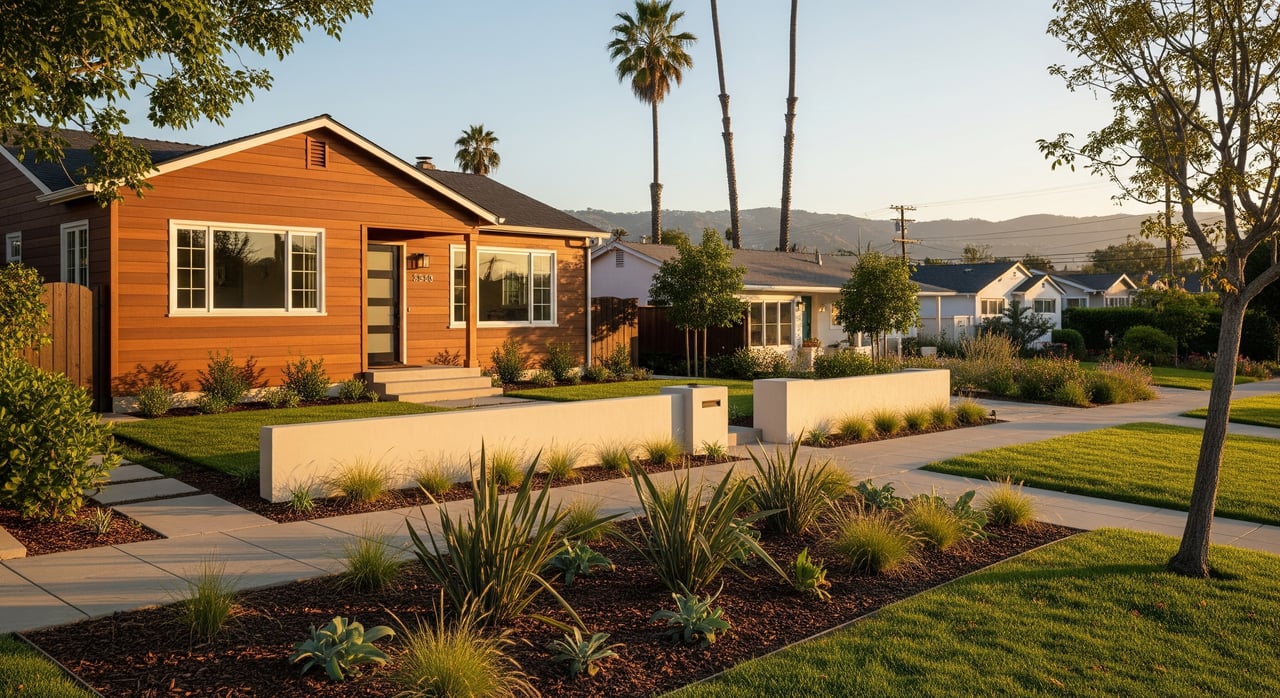
Want to buy into Costa Mesa without stretching your budget? If you are a first-time buyer or a value-focused mover, you have real choices that balance price, location, and future upside. In this guide, you will learn where starter homes and condos often pencil, what tradeoffs to consider, and which local factors can support long-term value. Let’s dive in.
How to frame your search
Pick your tradeoffs early
- Decide what you can give up to stay on budget: lot size, commute time, finish level, or proximity to specific amenities.
- If commute time matters most, focus on areas near I-405 and SR-55. If space is the priority, target neighborhoods with larger lots.
- Condos and townhomes lower the entry point but add HOA fees. Single-family homes may need renovation but give you more control and potential equity growth.
Starter home types to consider
- Condos and townhomes: lower maintenance and often near transit and retail. Review HOA reserves, coverage, and rental rules.
- Small single-family homes: older 2–3 bedroom homes on smaller lots, good candidates for phased updates.
- Duplexes or ADU-capable lots: can support future rental income if you secure permits and utility hookups.
Neighborhoods to watch
Eastside Costa Mesa
Eastside offers many mid-century single-family homes on modest lots, plus pockets of duplexes and older condos or townhomes. Entry points are generally lower than larger-lot neighborhoods, and many homes are well suited to cosmetic improvements. You are close to neighborhood shopping and parks and have straightforward access to I-405 and SR-55. Growth potential is solid for buyers willing to renovate, and permissive ADU policy in California can improve income options over time.
Mesa Verde (East and West)
Mesa Verde features larger single-family homes, many from the 1960s to 1980s, with more space and established streetscapes. While some sections command higher prices, there are smaller or older properties that can be more approachable for value-minded buyers. The area offers convenient access to North Costa Mesa corridors and a straightforward drive to the beaches. Demand is steady due to lifestyle appeal and limited developable land across the city.
South Coast Metro and Harbor Corridor
Near South Coast Plaza and Segerstrom Center for the Arts, you will find a mix of small single-family homes, many condo and townhome communities, and newer multifamily options. These homes often provide lower price points than larger detached properties and keep you close to major employment, shopping, and transit. The area has active redevelopment pressure and strong retail and job demand, which can support appreciation. Weigh HOA fees and local traffic when you compare options.
Victoria Street and North Costa Mesa
Pockets along Victoria Street and the Harbor Boulevard corridor include older, modest single-family homes and small apartment buildings. These areas can offer some of the more affordable detached options in Costa Mesa, in part due to proximity to commercial and light industrial uses. You get direct routes to I-405, nearby shopping, and a short drive to John Wayne Airport. Renovation can unlock value, though adjacency to commercial uses may limit top-end pricing.
Pocket opportunities near river and fairgrounds
Infill pockets near the Santa Ana River channel, around the fairgrounds, and north of 17th Street can present value for buyers open to renovation and mixed-use surroundings. Condo and townhome complexes across the city can also fit starter budgets, especially those with well-funded HOAs and reasonable monthly dues. These niche areas reward patience and thorough due diligence.
Commute and access
Freeways and drives
Costa Mesa connects directly to Orange County job centers through I-405 and SR-55, with links to Irvine, Santa Ana, and Anaheim. Commute convenience varies block by block, and peak-hour congestion on the 405 and major arterials is common. If you work in South Coast Metro or Irvine, proximity to these corridors can materially lower your daily drive.
Transit and airport access
OCTA bus service is more frequent around South Coast Metro and major retail and job nodes. Many residents still rely on cars, so driveway and parking configurations matter. John Wayne Airport in nearby Santa Ana is the closest airport, and the coast is a short drive depending on traffic.
Growth drivers and risks
What can support future value
- Proximity to job centers: Access to Irvine, Santa Ana, and South Coast Metro keeps buyer demand strong.
- Amenities: Being near South Coast Plaza, Segerstrom Center, parks like Fairview Park, beaches, and local schools can be a plus for resale.
- Supply limits: Orange County has little undeveloped land, which supports values in established neighborhoods.
- ADU potential: State-supported ADU rules and local permitting pathways can enhance income and price resiliency for suitable properties.
What to watch out for
- Traffic and noise: Busy corridors and congestion may impact lifestyle and perception of value.
- Commercial adjacency: Affordable pockets near industrial or commercial uses can carry tradeoffs that limit appreciation ceilings.
- Market cycles: Interest rate shifts and broader housing cycles can move prices quickly. Model different payment scenarios.
- Redevelopment and infrastructure: Project timelines along commercial corridors can bring short-term disruption even if long-term outcomes are positive.
- Natural hazards: Plan for standard Southern California risks and review hazard disclosures and flood maps when applicable.
Smart buyer playbook
Financing and budget strategy
- Explore conventional loans with lower down-payment options, FHA, and state or local first-time buyer programs. A local lender can align you with the right product.
- Include HOA dues, property tax at roughly 1 percent of assessed value plus local assessments, homeowners and earthquake insurance, and utilities in your monthly budget.
- If you plan to add an ADU or buy a duplex, underwrite conservatively. Confirm permitting steps, utility requirements, and any rental restrictions before assuming income.
Due diligence checklist
- Review HOA budgets, reserves, coverage, and pending special assessments for condos and townhomes.
- Pull recent comparable sales and permit history. Older homes often need system upgrades.
- Check local school information, zoning, and any redevelopment plans that may affect the immediate area.
- Confirm commute times during your actual work hours, not just mid-day.
- Order thorough inspections and evaluate hazard disclosures, including earthquake and any flood considerations.
Where to start
If you want lower entry prices and are comfortable with light renovation, start in Eastside pockets or along parts of the Harbor and Victoria corridors. If you need more space and a traditional neighborhood feel, explore Mesa Verde while watching for smaller or dated homes that align with your budget. If you prioritize convenience to jobs, retail, and transit, target condos and townhomes around South Coast Metro and nearby corridors.
When you are ready to tour properties, compare HOA health, renovation scope, and commute realities side by side. A local advisor can help you model long-term value, negotiate effectively, and manage risk from offer to closing.
Ready to refine your search and move with confidence? Connect with Jade Larney Real Estate for a focused plan, neighborhood-by-neighborhood guidance, and negotiation built to protect your outcome.
FAQs
Best value for a single-family home in Costa Mesa
- Eastside pockets and parts of the Harbor and Victoria corridors often have smaller, older homes that are more affordable and well suited to renovation-driven equity.
Are condos a better starter option in Costa Mesa
- Condos and townhomes typically offer lower entry costs and proximity to South Coast Metro amenities, but you should factor HOA dues, coverage, reserves, and rental rules into your budget.
How schools affect resale in Costa Mesa
- Many buyers consider proximity to Newport-Mesa Unified School District campuses when choosing neighborhoods, which can influence demand in family-oriented areas.
Can I add an ADU to improve affordability
- California’s ADU framework and local permitting guidance generally support adding an ADU, but you must confirm permits, utilities, and compliance before assuming rental income.
Commute considerations for Costa Mesa buyers
- Proximity to I-405 and SR-55, as well as South Coast Metro and Irvine job centers, can meaningfully reduce commute time and support long-term demand for a property.
What market risks should first-time buyers model
- Plan for interest rate swings, potential traffic or noise near major corridors, and short-term disruption from commercial corridor redevelopment, even if long-term trends are positive.